
Did they help? Brands and Covid
According to Edelman Spring Trust Barometer, 74% of Brits believe that companies seemingly placing profits before people during this time will lose their trust forever, and one third of people have already stopped using a brand they think has not responded well during the pandemic.
Brand purpose and impact are taking on an urgent new significance, as consumers scrutinise pandemic responses, recording the good, bad and ugly of brand behaviour via crowdsourced sites such as Did They Help and When Covid Is Over. Of course, the crucial question is whether this new emphasis on social impact and ethical business will persist post pandemic?
Below we’ve selected our top coronavirus campaigns and initiatives from a range of for-profit and not-for-profit brands that we believe demonstrate, in very different ways, powerful, positive social messages…
From the not-for-profit sector
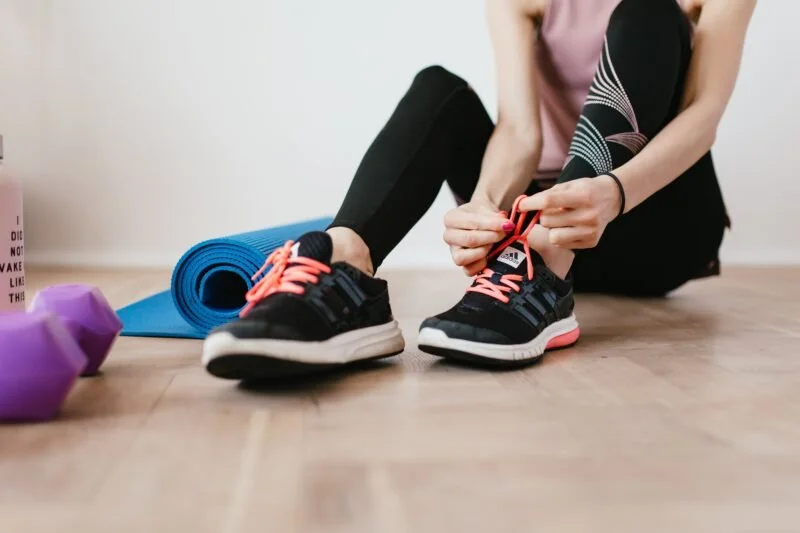
Sport England – #stayinworkout
From living room lacrosse, to hallway bouldering, to scooter slaloming, Sport England’s #StayInWorkOut campaign aims to give people ideas about how to be physically active while still following the government advice on staying at home and social distancing. With many normal exercises unavailable, the campaign reminds us to stay active during these strange times, for the sake of our physical and mental health.
Marie Curie – On Hold
With charities reporting a projected loss of one third of their total income due to Covid-19, many have had to turn around emergency appeals in record time. Saatchi & Saatchi created this for Marie Curie less than a week after receiving the brief. The poignant footage illustrates how much our way of life has changed, as holidays, parties and festivals are put on hold, before pointing out that for many cancer patients awaiting treatment, they sadly don’t have the time to put their lives on hold.
Women’s Aid - The Lockdown
Having seen a 41% increase in users visiting its Live Chat function after lockdown was imposed, Women’s Aid launched their ‘The Lockdown’ campaign to highlight increased rates of domestic violence across the UK. The film offers viewers an insight into the deserted streets of London, driving home the point that household-isolation can leave domestic violence victims with nowhere safe to go.
From the for-profit sector
Pernod Ricard – Hand Sanitiser production
In response to the hand sanitiser shortage in the US Pernod Ricard, the producers of Absolut Vodka, adapted their production lines to acquire certification for making hand sanitiser, before ramping production and donating to those who need it. Rather than continue with business as usual and to profit from increased at home consumption of alcohol, this pooling of skills and resources demonstrates active citizenship.
Ikea – Blanket Forts

Ikea recognised that during lockdown parents and kids alike would be struggling for play inspiration. Launched on Ikea Russia’s Instagram, and developed by creative agency Instinct, they provided six instruction manuals for building blanket forts. Although Ikea furniture and products are featured they make sure to stress that any similar items would work, ensuring it remains accessible.
Budweiser – Whassup
In response to the YouGov insight that 1 in 5 Brits are living alone during lockdown, Budweiser revised its iconic ‘Whassup’ advert to remind people to check in on friends and family during lockdown. The campaign offers some welcome light relief and noughties throwback nostalgia, while still delivering an important social message. And crucially it sticks to the brand’s core roots in an authentic way, rather than seemingly jumping on a bandwagon.
Diamond Car Insurance – Stay At Home
In recognition of people staying at home and driving less, Diamond Car Insurance refunded £110 million of insurance premiums to its car and van customers while committing millions more to reducing prices, supporting customers, NHS staff and local community. Diamond quietly ensured a £25 refund of premium was automatically transferred back to every customer, to ensure that the organisation did not benefit in any way from the virus and passed all savings back into the pockets of its customers.