
Sustainable Packaging Roundup
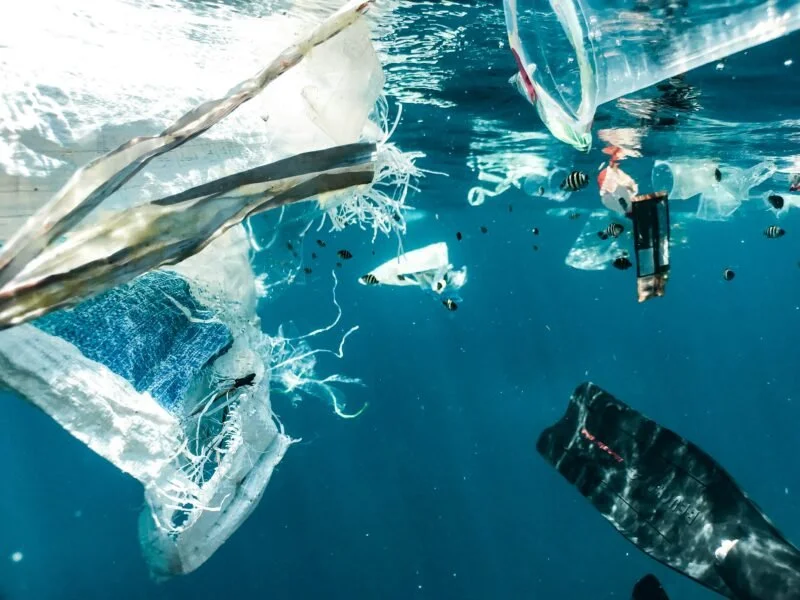
Here at Humankind Research we regularly conduct research into packaging, exploring consumer attitudes towards issues of waste, recycling and plastic. As the damage caused by our throwaway, single-use culture has hit public consciousness, with images from Blue Planet II firmly imprinted in our collective minds, we’ve seen how consumer expectations around packaging have changed.
For example, during a recent research study for a global beverage brand, we heard the same sentiment echoed by consumers across the UK, France and Germany: neither recycled, nor recyclable plastic packaging is enough anymore. Consumers expect far more from a brand if they are to truly believe in its sustainability credentials.
With this in mind, we’ve rounded up some of the key themes in sustainable packaging innovation and how these are playing out in different sectors. While we’re a very long way from these alternatives being mainstream, and it's important not to assume that plastic-alternatives are necessarily better for the environment, we’re hopeful that alternatives are emerging…
Shift To Paper
- Efforts are being made across the world of alcohol to diversify away from reliance on glass and plastic: The Absolut Company have launched 2,000 prototype paper bottles, consisting of 57% paper and 43% recycled plastic barrier; Diageo announced it will be launching the first 100% plastic-free, paper-based spirits bottle in 2021 under its Johnnie Walker brand; and Carlsberg have developed the world’s first paper beer bottle, made from sustainably-sourced wood fibres.
- Within beauty, L’Oréal is the first cosmetics company to join the Paper Bottle Community (joining existing members such as Carlsberg and The Coca-Cola Company), signalling its commitment to paper packaging alternatives. Earlier this year it launched paper-based cosmetic tubes for its La Roche-Posay brand, which reduce overall plastic content by 45%.
- In the start-up world, Cornish based Flex Hex is looking to replace bubble wrap with its adaptable paper-based packaging for the transportation of fragile and bulky items. Leveraging recycled paper in a patented, honeycomb design, their packaging offers a strong, durable alternative to plastic to help protect bottles, cosmetics, sports equipment and electronics.

Refillables
- Loop launched its much-anticipated UK pilot this summer, in partnership with Tesco, allowing consumers to order a variety of products such as beverages, sauces and shampoo (including many Unilever brands) in durable refillable packaging. Consumers return the packaging to Loop after use, with the aim of creating a fully circular system.
- In the household cleaning world, start-up Neat has recognised that a typical bottle of household cleaner is 90% water, creating unnecessarily bulky packaging. Their solution is to offer small glass bottles of concentrated cleaning product that you dilute at home in a keep-for-life refillable aluminium spray bottle.
- And the deodorant world has seen a refillable shake-up with brands such as Myro, by Humankind and Wild offering to send you refills through your letterbox. For example, Wild’s refills are held in compostable bamboo pulp, which you slot into a durable re-usable aluminium holder.

Plant Based Innovations
- Mushroom packaging, with its Styrofoam-like properties is being championed by a number of niche personal care brands, including Haeckles and Wildsmith. Using mushrooms’ inherent growth power, the packaging requires minimal energy to produce and is 100% compostable – a stark contrast to Styrofoam that never breaks down.
- Seaweed is being used by technology company Notpla to develop edible and biodegradable sachets. Each sachet biodegrades in 4-6 weeks, or you can simply eat it! To date the sachets have been used to distribute water during marathons in replace of plastic bottles; to distribute cocktails at parties and festivals in replace of plastic glasses; and to distribute condiments and sauces in Just Eat take-aways to replace single-use pots.

Dissolvable Packaging
- Designer Jonna Breitenhuber has designed Soapbottle to tackle the 11 bottles of shower gel and 10 bottles of shampoo used per person per year. Each bottle is made out of natural soap: as the contents of the bottle are used up, the biodegradable soap packaging slowly dissolves, giving you the option to use it as a hand soap or cleaning agent as you go.
- And finally, to replace highly unrecyclable polystyrene packaging, a number of producers, including Green Cell Foam, are using wheat and corn starch to create soluble foam alternatives. Once you've unpacked your parcel, you simply run the foam under the tap and it dissolves down the drain - offering safe and easy disposal.

What do you think about the innovations above? If you have any more to add please do include them in the comments, we are keen to share and build a bank of great examples.