
Our approach to inclusive research
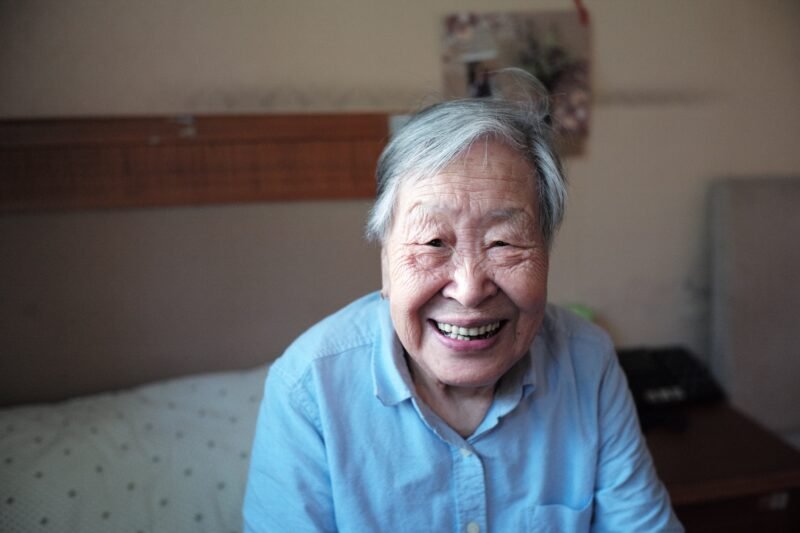
We were over the moon to recently win the Market Research Society’s inaugural Inclusive Research Award for the work we did with Independent Age, exploring the lived experience of marginalised groups in later life. It was a real privilege to work on a project that shed light on voices and experiences often side-lined within mainstream culture and thus starkly under-represented in conventional research.
Ensuring research is inclusive is something we’re constantly trying to work on here at Humankind Research. We recognise that certain groups in our society are consistently discriminated against and seldom heard, and we need to do everything we can to help tackle this. By engaging a more diverse range of research participants, in a variety of different ways, we can ultimately deliver deeper insight that better reflects the richness of different people’s views and experiences.
Below we’ve laid five core facets of our approach to inclusive research, thinking about each stage of a typical project. These are very much a starting point that we aim to continuously expand, evolve and refine, but we hope they will inspire you when thinking about your own research needs and briefs (and welcome any other ideas you may have!).
1. Recruitment
Traditionally, recruiters have focused efforts on sourcing participants from online research panels and databases. While a good spread of participants can often be found this way, it risks biasing towards those who have the digital access to subscribe to such lists (or who have the means to be made aware of them in the first place). As such it can perpetuate a cycle of the same types of voices being heard again and again in research.
Recognising this bias, we try to work with recruiters who use a variety of different recruitment methodologies and channels to engage a broader spectrum of people. We’ve successfully recruited through social media, social and community groups, NGO networks and more niche avenues to fulfil highly specialised briefs – for example engaging migrants trafficked from Lithuania to the UK, girls at risk of child marriage in Western Africa, young people in the UK struggling with mental health and those living with dementia.
2. Screening Research Participants
To date the industry norm has been to screen for people who are outspoken, highly social and comfortable sharing ideas in front of strangers, creating a bias towards extroverts. We try to take a more nuanced approach, tailored to the project objectives, to ensure we don’t unnecessarily screen out people who may not have the loudest voice in the room, but still have many important contributions to make. For example, in a recent project exploring attitudes towards human rights, we purposefully removed any questions screening for outspoken-ness and articulateness, yet still secured a group of thoughtful, engaged participants with lots to share.
And when it comes to designing screeners, we always aim to write in plain, simple English and be thoughtful about question design (e.g. having open rather than binary answers to gender questions), recognising that these small details play a role in ensuring our research feels truly open to everyone.
3. Research Design
When designing the best research approach and methodology for a brief, we always interrogate whether we’re catering to people with different social, cognitive and physical abilities, and whether the methodology is accessible to people in different contexts. The answer is often a complex one, with no single research methodology ticking every box.
For example, while the shift to digital methodologies during Covid-19 has in some ways opened up research to be more inclusive of those living outside major cities, those with physical conditions that may have prevented them from travelling to a research venue (often located up or down many stairs!) and those with greater cognitive diversity. However, it has also shed light on a growing digital divide – preventing those without digital skills or access to a stable WIFI connection from participating.
To address this complexity, we strive to build in flexibility of formats and methodologies within our approaches, wherever possible offering people a variety of ways to participate in the research, across digital, audio and written channels.
4. Moderation & Stimulus
Sensitive moderation should of course be the bedrock of any research project, to ensure that participants feel comfortable to talk openly and honestly. This becomes even more crucial when researching with groups typically excluded from conventional research, who are rarely given the opportunity to have their voices heard.
We place additional emphasis on taking the time to properly introduce the research to participants before fieldwork begins, for example through introductory phone calls. This isn’t just about gaining consent and setting expectations, but ensuring a truly human, empathetic approach, especially when exploring highly sensitive, potentially triggering issues such as mental and physical health, exploitation, marginalisation and financial struggle.
We also put careful thought into stimulus, both in terms of its format and the way in which we share it with participants. For example, during a recent project with those living with dementia, we took an agile approach, ensuring all stimulus was bite-sized, and flexing the way we shared it according to the needs of each individual participant in the moment. And wherever possible we use a mix of visual and written stimulus, recognising people think in different ways.
5. Research Outputs
We’re conscious that research can often feel deeply transactional and one sided: the researcher extracts often highly personal information from a participant, and then disappears out of their life. In an attempt to make our research feel more participatory and mutually beneficial, we’re experimenting more with sharing our research outputs with participants, to help them feel more included in the process and its outcomes.
For example, in our work with Independent Age we shared an interim 2-page summary of our key findings with all participants, designed in an easy-to-read style. This ensured everyone felt like informed participants in the process, but also gave them an opportunity to feedback and highlight where they felt their experiences could be better reflected in our work.
And in a recent project exploring experiences of Covid-19, we went back to participants when writing up our research to share the case studies we had written up on them. This way we were able to ensure they were happy with how we had represented their stories, and they were aware of the value of their input.
________
We absolutely don’t claim to have all the answers when it comes to ensuring research is truly inclusive; we know that there will always be more that we can be doing and considering as we evolve our approaches. But we hope the above offers some food for thought and welcome the opportunity to discuss other views and experiences.
Please get in touch at hello@humankind-research.com