
Fashion rental - trend or timeless?
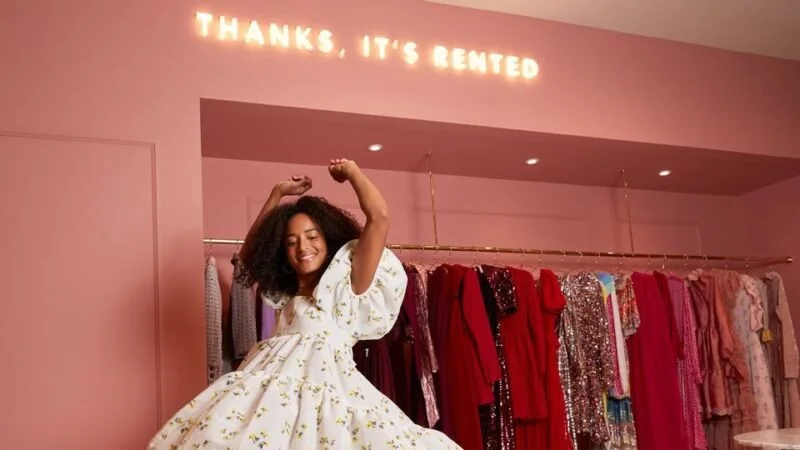
The fashion rental market is on the up. Examples abound: the peer-to-peer rental service Hurr has had an IRL partnership with Selfridges for the last couple of years; while Marks & Spencer is trialling a partnership with Hirestreet. This goes hand in hand with the rise of the second hard market, epitomised by Etsy’s $1.6bn acquisition of gen Z favourite Depop in June 2021.
Does this have the potential to go totally mainstream? We use the COM-B framework for behaviour change challenges, which provides a lens to think about this new trend. The C asks whether people have the physical and psychological capability: for fashion rental, this may be about overcoming perceived and actual barriers, such as fear of ruining the item with a rip or red wine stain (insurance tends to be included in the cost) and forgetting to return (making this process as easy as possible). The O addresses opportunity, which is where partnerships with established retailers have a clear role to play – this has the added benefit of enabling people to try on clothes rather than risk renting something that doesn’t fit. As for Motivation? A quick straw poll of the HKR team (though never a replacement for targeted research!) and exploring the fashion rental chat on social media suggests that special occasions are likely to prompt rental trial.
This instinctively feels welcome from a sustainability perspective. However the story isn’t straightforward, with one recent study suggesting that the current environmental impact of renting out one’s old clothes is worse than simply throwing them away. We often talk about respecting the order of the 3Rs (reduce/re-use/recycle), and it’s clear that renting can’t be the solution to the environmental problems of fast fashion: first we need to deal with our clothes addiction and simply buy less stuff. If clothes renting just feeds the evidently unsustainable habit of only ever wearing outfits once, its net impact will be one of environmental harm. But if done thoughtfully and occasionally, and – as the study suggests – if rental companies change their logistics to make them more climate friendly, renting would, environmentally, be on a level with reselling.
In previous projects we’ve seen behaviour can lead attitude when it comes to the environment – for example we’ve heard about people eating more vegan food for health, growing to understand its sustainability impact, and indirectly becoming more environmentally minded! The same might happen with fashion mavens, whose rental behaviour may be led currently by the desire for an endless wardrobe, but – through understanding the sustainability angle – could ultimately come to reduce their fast fashion behaviour (here’s hoping).
As for social media addicts who simply can’t break their wear only once habit? The next frontier: digital clothes. Though we think this one might take a little longer to go mainstream!